When you’re diving into the wild world of cryptocurrency, slippage is one sneaky villain that can quietly eat into your profits. Whether you’re swapping Bitcoin for Ethereum or trading altcoins, slippage can make a difference — sometimes a big one. But what exactly is slippage? How does it happen? And most importantly, how can you reduce it when converting crypto? If you’ve been scratching your head over this, you’re in the right place. Let’s unpack everything about slippage, step by step, and arm you with practical tips to keep more of your hard-earned crypto intact.
What Is Slippage in Crypto?
Slippage in cryptocurrency trading refers to the difference between the price you expect to get when making a trade and the actual price at which your trade is executed. This discrepancy can be frustrating because it means you might end up paying more or receiving less than anticipated. It’s a common issue that every trader, whether beginner or experienced, is likely to encounter at some point. Understanding slippage is crucial because it directly impacts the profitability of your trades and can even turn what looked like a good deal into a disappointing one.
To put it simply, imagine you decide to buy Ethereum at a market price of $2,000. You submit your order, expecting to get that exact price. However, by the time the trade actually processes and completes, the price has shifted to $2,020. That $20 difference between the expected and executed price is what’s known as slippage. The crypto market operates 24/7, and prices can change in a matter of seconds or milliseconds. Because of this fast movement, the price you see when placing your order isn’t always the price you end up paying.
Slippage tends to happen more often in volatile markets, which are characteristic of cryptocurrencies. These markets can swing wildly due to a variety of factors such as news events, large trades, or changes in investor sentiment. The faster and more unpredictable the price movement, the higher the chance that slippage will occur. Even small delays in order execution—caused by network congestion or exchange processing times—can widen the gap between your expected and actual trade price.
In essence, slippage is a natural byproduct of trading in fast-moving, decentralized markets. While it can’t be completely eliminated, knowing how it works and why it happens helps you make smarter trading decisions. By being aware of slippage, you can better prepare for it and take steps to minimize its impact on your crypto investments.
Why Does Slippage Happen?
| Cause | Description | How It Affects Price | Example Scenario | Impact on Trader |
| Market Volatility | Cryptocurrency prices can fluctuate dramatically within seconds due to news, demand, or events. | Rapid price changes mean the price can move between order placement and execution. | You place an order for Bitcoin at $30,000, but within seconds it jumps to $30,500. | You pay more or sell for less than expected, reducing profits. |
| Liquidity Issues | Liquidity refers to how easily an asset can be bought or sold without significantly moving its price. | Low liquidity means fewer market participants, leading to bigger price swings when trading. | Trying to buy a rare altcoin with few sellers causes the price to spike during your order. | The trade causes the market price to jump, increasing costs. |
| Order Size | Large trade volumes in markets with limited liquidity can push prices up or down significantly. | Big orders can exhaust available liquidity at current prices, forcing trades at worse prices. | Buying a large amount of a token pushes its price up as your order fills. | You get a worse average price across your entire order. |
| Slow Execution | Delays in processing your trade, especially on decentralized exchanges or during network congestion. | Price may change during the delay, causing a gap between expected and actual prices. | Network congestion slows down your transaction confirmation, and the token price moves. | Your executed price differs from what you initially saw, causing slippage. |
How Slippage Affects Your Crypto Trades
Slippage might seem like a minor inconvenience, but its impact on your crypto trading can be significant and far-reaching. Here’s a detailed breakdown of how slippage affects your trades and why it matters for every crypto investor:
- Increased Trading Costs: When slippage occurs, you often end up paying more than the anticipated price when buying, or receiving less when selling. These extra costs might seem small per trade but can accumulate quickly over multiple transactions, reducing your overall profitability.
- Reduced Profit Margins: Even a slight difference between expected and executed prices can eat into your profit margins, especially if you trade frequently. What looked like a profitable trade at first can become break-even or even a loss due to slippage.
- Missed Entry and Exit Targets: Slippage can cause you to enter a position at a higher price or exit at a lower price than intended. This disrupts your trading plan and can make it difficult to execute strategies based on precise price points, like setting stop-losses or take-profit levels.
- Lower Predictability and Control: When slippage happens, the final execution price differs from your expectations, making it harder to predict outcomes. This unpredictability can cause frustration and force you to constantly adjust your trading approach.
- Increased Risk Exposure: Unexpected price changes caused by slippage expose you to greater market risk. You might end up holding a position longer than planned or buying more expensive assets, increasing your vulnerability to adverse market moves.
- Potential for Larger Losses: In some cases, especially with large orders or low-liquidity tokens, slippage can turn a trade that seemed safe into a costly mistake. The executed price may deviate so much from the expected price that it results in unexpected financial losses.
- Negative Impact on Automated Trading: For traders using bots or automated strategies, slippage can throw off algorithmic calculations and timing, leading to suboptimal performance or failed trades.
- Slower Reaction Times: Slippage often accompanies delays in order execution. This can slow down your ability to react to market changes, leaving you stuck in losing positions or missing profitable moves.
- Reduced Confidence in Trading Platforms: Experiencing frequent slippage may cause traders to lose trust in their exchange or trading platform, especially if the slippage is unpredictable or seems excessive.
- Complicates Risk Management: Managing risk becomes more challenging when slippage affects the prices at which you enter and exit trades, making it tougher to set effective stop-loss or take-profit points.
How to Measure Slippage
Measuring slippage is a crucial step in understanding how much you are really paying or receiving in a trade compared to what you expected. It allows you to quantify the difference between the price you aimed for and the price at which your order actually executed. This measurement helps you analyze your trading efficiency and make better decisions about when and how to trade. Without a clear way to measure slippage, it’s difficult to know if you are losing money to hidden costs or if your trades are performing as planned.
The most common way to measure slippage is by calculating it as a percentage. This percentage represents how far off the executed price was from your expected price relative to the expected price itself. The formula for this calculation is straightforward: you subtract the expected price from the execution price, divide the result by the expected price, and then multiply by 100 to convert it into a percentage. This percentage shows the magnitude of the price difference, making it easy to compare across different trades or assets.
For example, suppose you planned to buy a cryptocurrency at $100 per token. After submitting your order, you find that the trade was completed at $102 instead. Plugging these numbers into the formula gives you a slippage percentage of 2%, meaning you paid 2% more than expected. This figure tells you exactly how much your trade cost you beyond the anticipated price, which might seem small but can add up significantly if repeated across many trades.
Understanding how to measure slippage empowers you to track this hidden cost and identify patterns where slippage tends to be higher. It also guides you in choosing trading strategies, times, and platforms that minimize slippage. Knowing your slippage percentage helps ensure you have a realistic view of your trading performance, preventing surprises and allowing for more accurate profit calculations.
Top Strategies to Reduce Slippage When Converting Crypto
| Strategy | Description | Advantages | Potential Drawbacks | When to Use |
| Use Limit Orders Instead of Market Orders | Limit orders allow you to specify the maximum price you’ll pay or minimum price you’ll accept. Your order only executes if the market matches your limit. | Controls maximum slippage; protects against price spikes. | May not execute immediately; could remain unfilled if price moves away. | When you want precise control over execution price and can wait for order to fill. |
| Trade During High Liquidity Periods | Trading during times when the market has the most buyers and sellers reduces price movement risk. | Higher liquidity reduces slippage and price impact. | Limited to specific hours or market overlaps. | During peak trading hours or when major exchanges overlap. |
| Break Large Orders Into Smaller Trades | Instead of placing one large order that can move prices, split it into smaller chunks executed over time. | Minimizes market impact; reduces large price jumps. | Takes longer to complete; may require more monitoring. | When trading large volumes in low-to-moderate liquidity markets. |
| Use Exchanges with High Liquidity | Choosing platforms with large trading volumes ensures better order book depth and less slippage. | More stable prices; faster order execution. | Some exchanges may have higher fees or restrictions. | For most trades, especially high-volume ones or popular tokens. |
| Adjust Slippage Tolerance on DEXs Carefully | Set an appropriate slippage tolerance to avoid trade failure while limiting price deviation risk. | Balances between trade success and protection against losses. | Too low tolerance can cause failed trades; too high exposes to big losses. | When swapping tokens on decentralized exchanges with varying liquidity. |
| Avoid Trading Highly Volatile Tokens During Big News Events | Volatility spikes around news can cause rapid price changes and extreme slippage. | Reduces risk of unexpected price jumps during unstable periods. | Misses potential fast profit opportunities during news. | When major announcements, updates, or market-moving events are expected. |
Understanding Slippage on Decentralized Exchanges (DEXs)
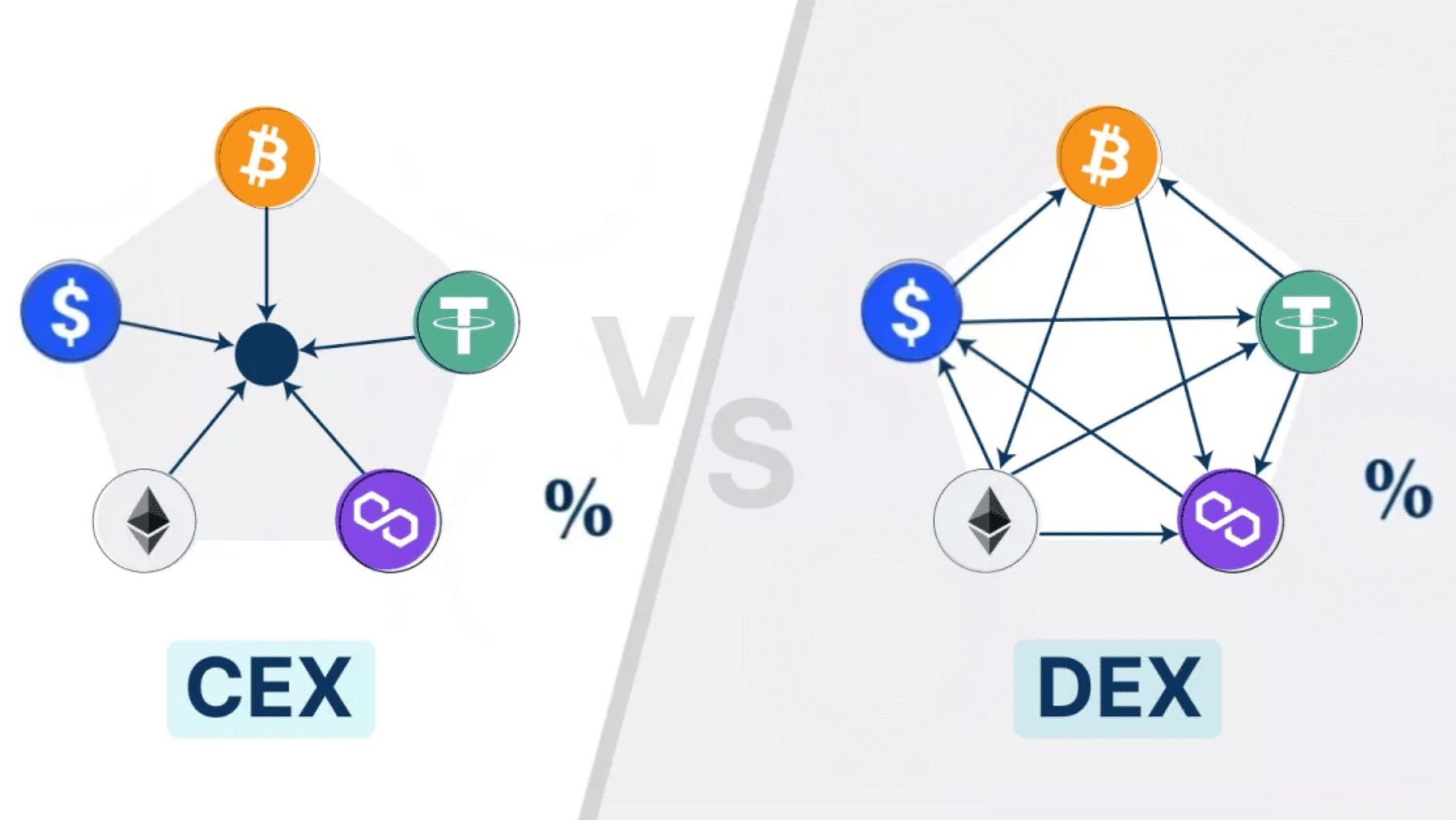
- Decentralized exchanges (DEXs) operate differently from centralized exchanges because they use Automated Market Makers (AMMs) instead of traditional order books.
- AMMs rely on liquidity pools, which are pools of tokens provided by users that determine the price of assets based on supply and demand within the pool.
- The size of the liquidity pool is crucial: larger pools can handle bigger trades with minimal price changes, while smaller pools experience significant price swings from relatively modest trades.
- When liquidity pools are shallow or low in volume, even medium-sized orders can drastically change token ratios, causing large price fluctuations and higher slippage.
- Price impact refers to how much your trade moves the price within the liquidity pool; the bigger your trade relative to the pool, the greater the price impact.
- Large trades in a small liquidity pool will reduce one token’s quantity and increase the other’s price, leading to less favorable rates for your trade.
- Because the AMM pricing formula automatically adjusts prices based on pool balances, your trade size directly influences slippage levels.
- Unlike centralized exchanges, where prices come from order matching, prices on DEXs shift dynamically with each trade based on pool liquidity.
- Slippage on DEXs is often more pronounced and less predictable, especially for less popular tokens with limited liquidity.
- Understanding the relationship between trade size and pool liquidity is vital to minimizing slippage and executing efficient trades.
- Traders should always check the liquidity pool size before making large trades to avoid unexpectedly high slippage.
- Splitting large trades into smaller orders can help reduce price impact and keep slippage manageable on DEXs.