Swapping cryptocurrencies can sometimes feel like navigating a minefield of fees, timing, and unpredictable price swings. If you’re tired of losing chunks of your money to high fees or slippage during swaps, you’re in the right place. In this article, we’ll dive deep into when and how to swap crypto for the lowest fees and slippage, giving you practical tips and insights to keep more of your hard-earned coins.
Understanding Crypto Swaps, Fees, and Slippage
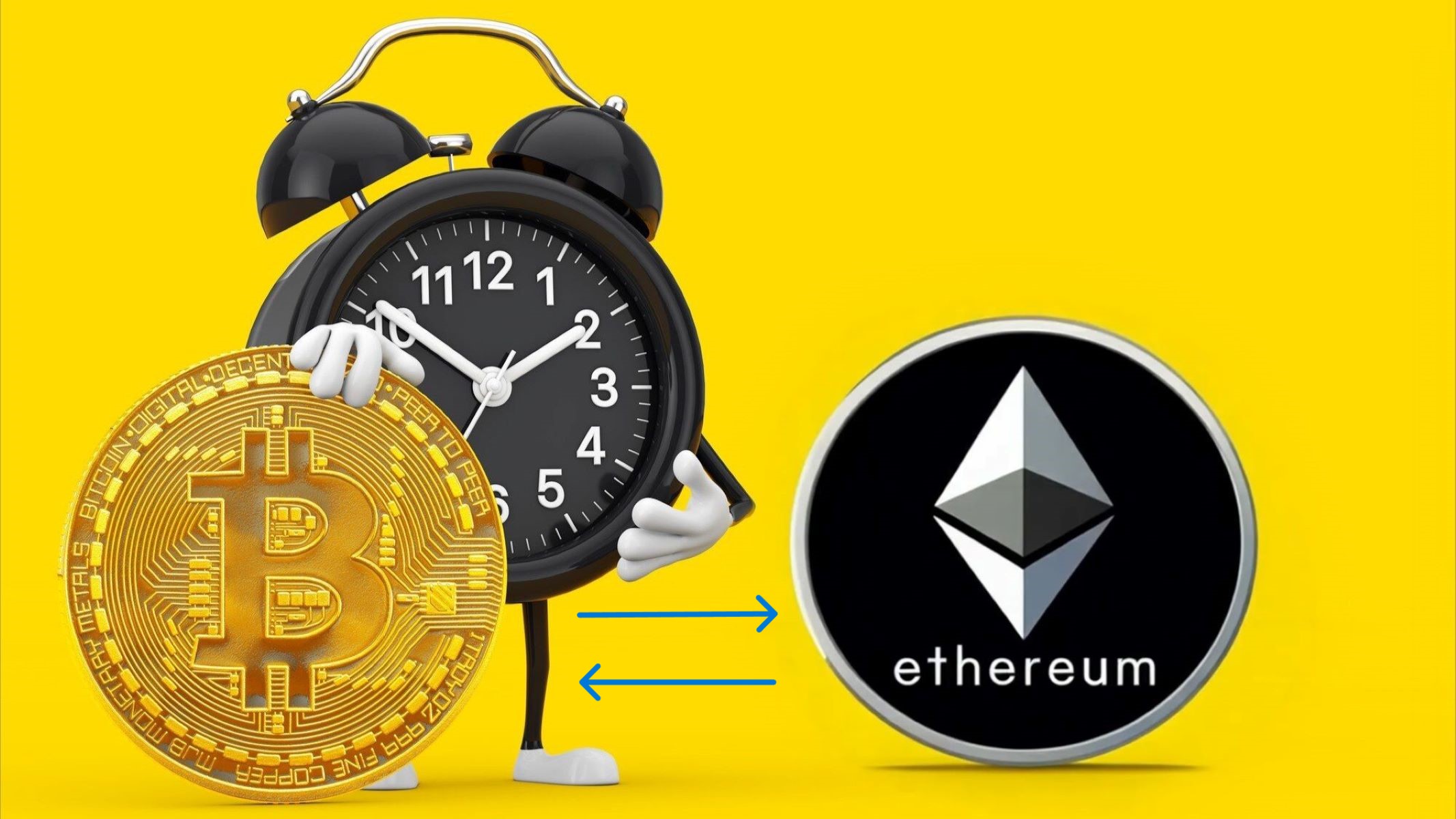
Before we dive into the best times to swap cryptocurrencies, it’s important to understand some key concepts that explain why timing plays such a big role in how much you pay. At its core, a crypto swap is simply exchanging one cryptocurrency for another. For example, trading Bitcoin (BTC) for Ethereum (ETH). Unlike traditional buying or selling on centralized exchanges, swaps often happen on decentralized platforms or directly through wallets that have built-in swap features. This makes the process faster and more flexible but also introduces unique factors like fees and slippage that can impact the value you get from your trade.
Fees are an unavoidable part of swapping crypto, and they come from different sources. There are network or blockchain fees, which are charges from the blockchain itself to process and confirm your transaction. Then, there are fees from the platform or exchange facilitating your swap, and on decentralized exchanges (DEXs), liquidity providers who supply the tokens also take a small cut. These fees can add up quickly, especially during busy times on popular networks like Ethereum, sometimes making small trades not worthwhile. Knowing how these fees work helps you plan your swaps better and avoid losing money unnecessarily.
Slippage is another important concept that often catches new traders off guard. It refers to the difference between the price you expect to get when you make a swap and the actual price at which the trade is executed. This happens mostly in volatile markets or with cryptocurrencies that don’t have a lot of trading volume or liquidity. For instance, if you try to swap a token that doesn’t have many buyers or sellers, the price can change rapidly as your trade goes through, meaning you could end up with less value than you anticipated. Think of it like ordering a coffee priced at $5, but by the time you pay, the cost has jumped to $6 — that extra dollar is your slippage.
Understanding these basics is crucial because they directly affect how much value you lose or keep when swapping crypto. The timing of your swaps can influence network fees and slippage, and being aware of these can help you choose the right moments to trade. This foundational knowledge sets the stage for exploring when and how to swap your cryptocurrencies for the lowest fees and minimal slippage, which can significantly improve your overall trading experience and profits.
How Timing Affects Fees and Slippage
Swapping crypto isn’t just about clicking a button whenever you feel like it. The timing of your swap can have a big impact on how much you end up paying in fees and how much value you lose to slippage. Here’s a detailed list explaining the key factors you need to keep in mind:
- Crypto networks have limited capacity to process transactions. When too many people try to swap or move coins at once, the network becomes congested. This is similar to rush hour traffic, where everyone wants to get somewhere quickly but the roads are jammed.
- On networks like Ethereum, congestion leads to soaring gas fees. These fees can become so high that swapping small amounts isn’t worth it at all, because the cost of the transaction outweighs the value you’re swapping.
- Even networks known for lower fees like Binance Smart Chain, Solana, and Polygon can experience congestion during major market events or popular token launches. This means fees can spike unexpectedly, so don’t assume cheaper networks are always free from delays or high costs.
- Market volatility plays a huge role in how much slippage you might face. When prices are swinging wildly—whether due to sudden pumps or crashes—the price you see before swapping can change by the time your trade is confirmed, often resulting in you receiving fewer tokens than expected.
- Large market events such as big announcements, regulatory news, or influential endorsements can trigger waves of trading activity. During these moments, both fees and slippage tend to increase sharply because of the surge in demand and price fluctuations.
- The liquidity of the token pair you’re swapping affects slippage. Low liquidity pairs have fewer buyers and sellers, so your trade impacts the price more heavily, causing bigger slippage especially if you swap large amounts.
- Time of day matters because global crypto activity follows the working hours of major markets. For example, peak trading hours often align with business hours in the US and Europe, which can cause increased network congestion and volatility, leading to higher fees and slippage.
Best Times to Swap Crypto for Lowest Fees
| Factor | Description | Typical Timing | Why It Matters | Example |
| Swap During Off-Peak Hours | Crypto network activity varies throughout the day, influenced by global trading cycles and user activity. | Midnight to 6 AM UTC | Fewer users transacting means lower congestion and reduced fees. | Ethereum gas fees drop to 20–40 Gwei |
| Avoid Major Market Events | Big announcements, token launches, or market crashes cause sudden spikes in transactions and volatility. | During and shortly after events | Higher demand leads to network congestion, increasing fees & slippage. | Bitcoin price crash causing fees surge |
| Use Networks with Lower Fees | Some blockchains have inherently lower fees and can be used to move tokens before swapping. | Anytime, ideally during low traffic | Lower transaction costs, especially when combined with off-peak timing. | Binance Smart Chain, Polygon, Solana |
| Pick Stable, High-Liquidity Pairs | Swapping tokens with high liquidity reduces slippage and often ensures better pricing. | Depends on token market hours | More buyers and sellers mean tighter spreads and less price impact. | ETH/USDT or BTC/USDT pairs |
| Monitor Network Conditions Regularly | Use real-time tools to check current fees and congestion levels before swapping. | Before every swap | Enables smarter timing decisions to avoid unnecessary costs. | Using ETH Gas Station or DexTools |
Strategies to Minimize Slippage
Slippage is one of those hidden costs that can quietly chip away at your crypto gains if you’re not careful. To keep more of your money, it’s essential to understand how to reduce slippage when swapping tokens. One common way to control slippage is by setting a slippage tolerance on most swap interfaces. This means you specify the maximum percentage difference between the expected price and the execution price that you’re willing to accept. If you set it too low, your swap might fail because the price changed beyond your limit before the transaction could be confirmed. But if you set it too high, you risk accepting a much worse price than you anticipated, losing more value. For stable and popular trading pairs, a tolerance between 0.5% and 2% usually strikes the right balance.
Another effective method to avoid slippage is using limit orders on centralized exchanges. Unlike instant swaps where you trade at the current market price, limit orders let you set the exact price you want to buy or sell at. This way, you won’t lose out on price swings because your trade only executes if the market reaches your target price. The downside is that your trade might not happen immediately—or at all—if the price doesn’t hit your limit. But for those who want to protect against slippage, especially during volatile periods, limit orders offer a powerful tool.
For larger swaps, breaking the trade into smaller parts can also reduce slippage. When you swap a huge amount of tokens at once, your trade can significantly impact the market price, causing the value to move against you. By splitting the total swap into smaller chunks executed over time or in quick succession, you reduce the market impact and therefore the slippage. However, it’s important to remember that doing multiple transactions means paying network fees multiple times, which can add up. So, this strategy works best when the savings from reduced slippage outweigh the extra fees.
Overall, minimizing slippage requires a mix of patience, strategy, and the right tools. Setting a reasonable slippage tolerance, using limit orders when possible, and breaking up large trades can all help protect your crypto swaps from unnecessary losses. With these approaches, you’ll be better equipped to keep your trades cost-efficient and maximize the value you get from every swap.
Tools to Check Fees and Slippage in Real-Time
When it comes to swapping cryptocurrencies, guessing the right moment or fee level can cost you money. Thankfully, there are several powerful tools available that let you track fees and slippage live so you can make smarter decisions. Here’s a detailed list of useful platforms and what they offer:
- ETH Gas Station is one of the most popular tools for estimating Ethereum gas fees in real time. It shows you current gas prices and how quickly transactions are likely to be confirmed based on different fee levels. This helps you choose the right fee to pay — not too high to waste money, but high enough to get your swap processed quickly.
- DexTools is focused on decentralized exchange (DEX) pair analytics. It provides detailed information about liquidity, recent trade history, and slippage for various token pairs. This insight helps you identify which pairs have enough volume and stability to minimize slippage when swapping.
- CoinGecko offers comprehensive crypto market data including price charts, trading volume, and volatility indicators. While it’s not solely dedicated to fees or slippage, monitoring price volatility here helps you avoid swapping during turbulent periods when slippage tends to be higher.
- 1inch Aggregator is a specialized platform that searches multiple decentralized exchanges to find the best swap rates across them all. It automatically routes your trade through the most efficient path to minimize fees and slippage, often saving you money compared to swapping on a single DEX.
Impact of Wallet and Exchange Choice
| Type | Description | Fee Structure | Slippage | Key Considerations |
| Wallet Swaps | Built-in swap features in wallets like MetaMask or Trust Wallet that allow direct token exchanges. | Fees can include a premium on top of network costs as wallets use aggregators for best rates. | Moderate, depends on aggregator and liquidity of pools. | Convenient and quick; sometimes slightly more expensive due to premiums. |
| Decentralized Exchanges (DEXs) | Platforms like Uniswap or SushiSwap that enable swaps without intermediaries, using liquidity pools. | Users pay gas fees directly on-chain; fees vary with network congestion and pool fees. | Can be high for low-liquidity pairs or during volatile periods. | High privacy and control, but subject to network congestion and price impact. |
| Centralized Exchanges (CEXs) | Exchanges like Binance or Coinbase where trades happen off-chain with order books. | Typically fixed or lower fees, often discounted for high-volume traders. | Usually minimal due to deep liquidity and order book system. | Easier for large trades, but requires trusting the platform with your funds. |
Tips for Smart Crypto Swapping
When it comes to swapping cryptocurrencies, being smart and prepared can save you a lot of money and frustration. One of the most important things to do before making any swap is to check the current gas fees. These fees fluctuate throughout the day based on network congestion, so using live fee trackers lets you pick the best time to transact. By avoiding periods when fees are sky-high, you can significantly reduce the cost of your swap and get more value for your money.
Timing your swaps around global crypto market activity is another key strategy. The busiest times typically align with the opening hours of major markets, especially in the early mornings and afternoons UTC. During these peak times, network congestion is heavier and slippage tends to be worse, both of which increase the cost of swapping. Waiting for quieter periods can mean smoother transactions with lower fees and less price impact.
Using stablecoins when transferring funds between tokens is a clever way to reduce exposure to volatility during the swap process. Since stablecoins are pegged to stable assets like the US dollar, they don’t experience wild price swings like other cryptocurrencies. Converting your assets to stablecoins before swapping helps protect your value from sudden market movements, making your swap safer and more predictable, especially in turbulent market conditions.
Finally, take advantage of swap aggregators that scan multiple decentralized exchanges to find you the best routes and rates. These aggregators help reduce slippage and fees by routing your swap through the most efficient pools. At the same time, it’s crucial to set your slippage tolerance carefully. Setting it too low might cause your transaction to fail if prices move slightly, while setting it too high risks accepting a poor price. Finding the right balance ensures your swap completes successfully without losing unnecessary value.